




Battery energy storage systems
Supporting the energy transition through a more flexible grid
Today, controlling electricity flows on the grid has become a major challenge. The grid must gain in flexibility to ensure security of supply and to integrate a continuously growing share of renewable energy.
Battery energy storage systems (BESS) are assets that enable that flexibility: they store surplus electricity and release it when it is most needed, thus delivering essential services to the grid and local communities.
Creating value in local communities
- A small land footprint
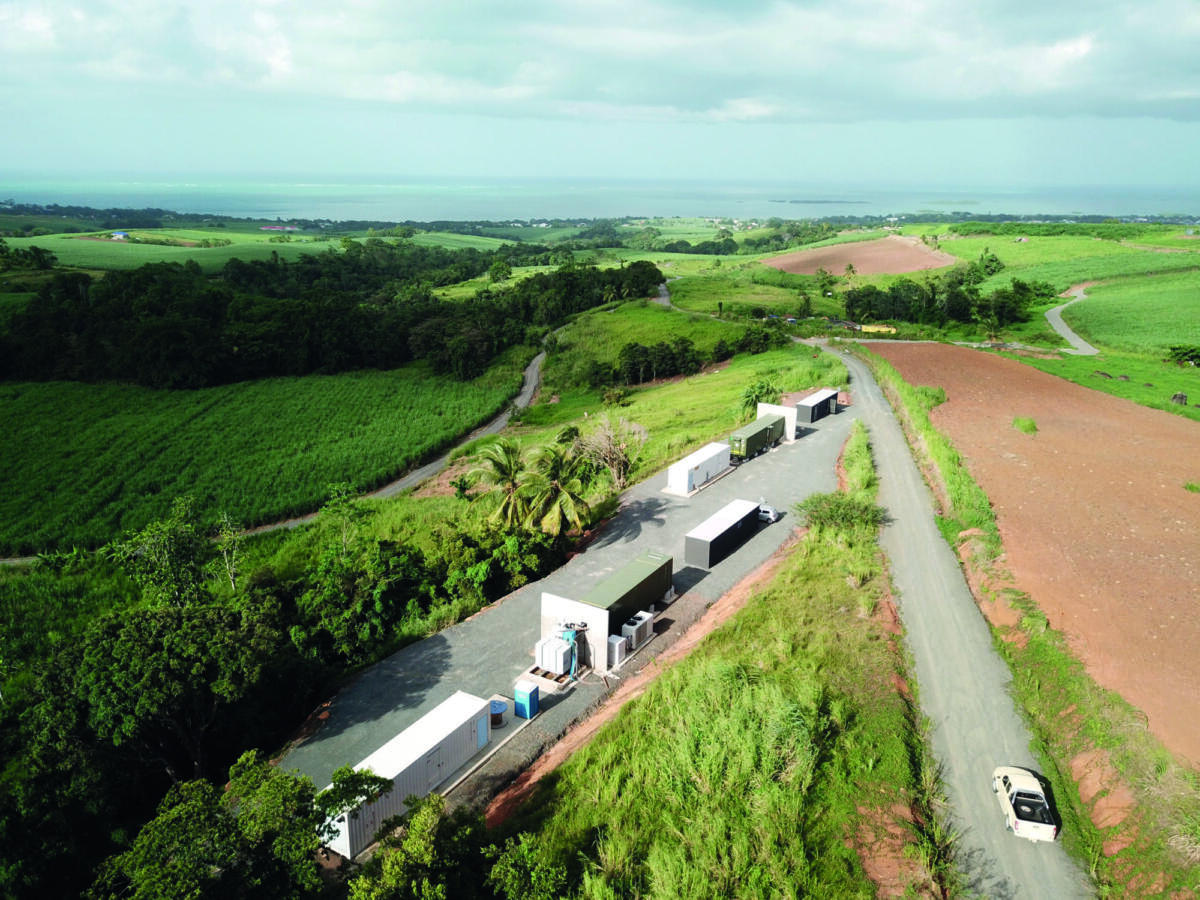
A 20-foot container (6 m × 2.3 m) can deliver 2 MW of power for 1 hour. Modern storage solutions require limited space while providing high modular capacity.
- Co-developed projects
We work with local authorities, grid operators, and local stakeholders to ensure smooth, transparent integration that supports the area’s development.
- Controlled environmental impact
New generations of batteries significantly improve their environmental footprint and recyclability. VALOREM installations follow recognized environmental and industrial risk management best practices and comply with the strictest standards.
References
5 MW / 5 MWh
Connected to the wind farm
Improved stability of the island grid
7,2 MW / 8,7 MWh
Combined with a wind farm
Grid balance, managing peak demand
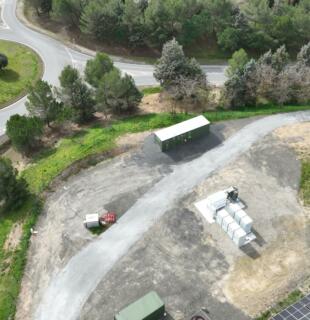
1,2 MW / 2,3 MWh
Combined with a solar farm
Grid balance and response to peaks in demand
THE BENEFITS OF STORAGE
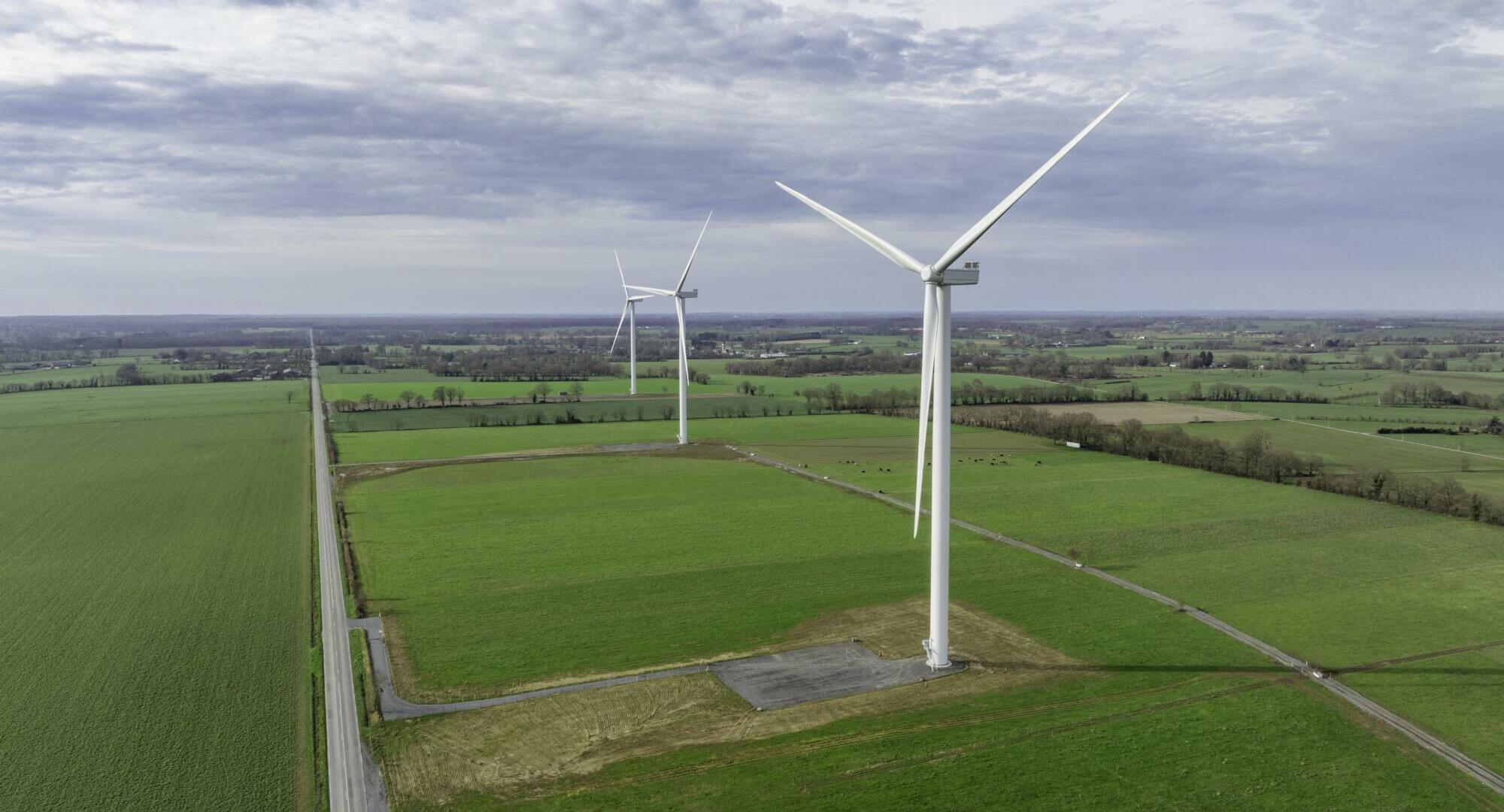
Stabilising the grid in real time
The identified energy storage needs from the transmission system operator are substantial, and local territories have a key role to play.
- Balance generation and consumption, to maintain the grid frequency at 50 Hz,
- Reduce strain on power lines,
- Cover peak winter demand (high-stress winter days defined by the transmission system operator).
They thus contribute directly to the ancillary services provided to the transmission system operator.
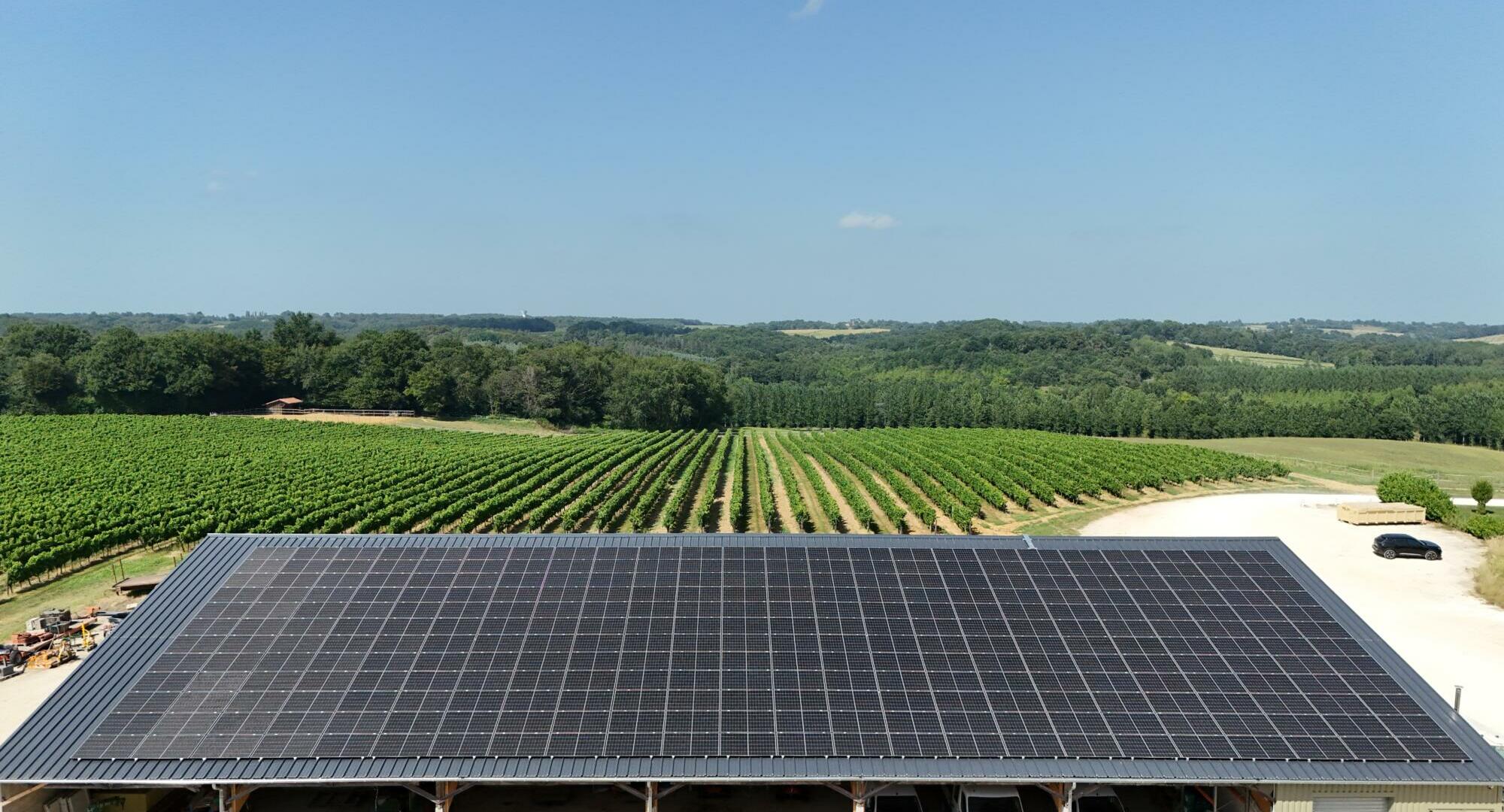
Smoothing generation and demand to stabilise electricity prices
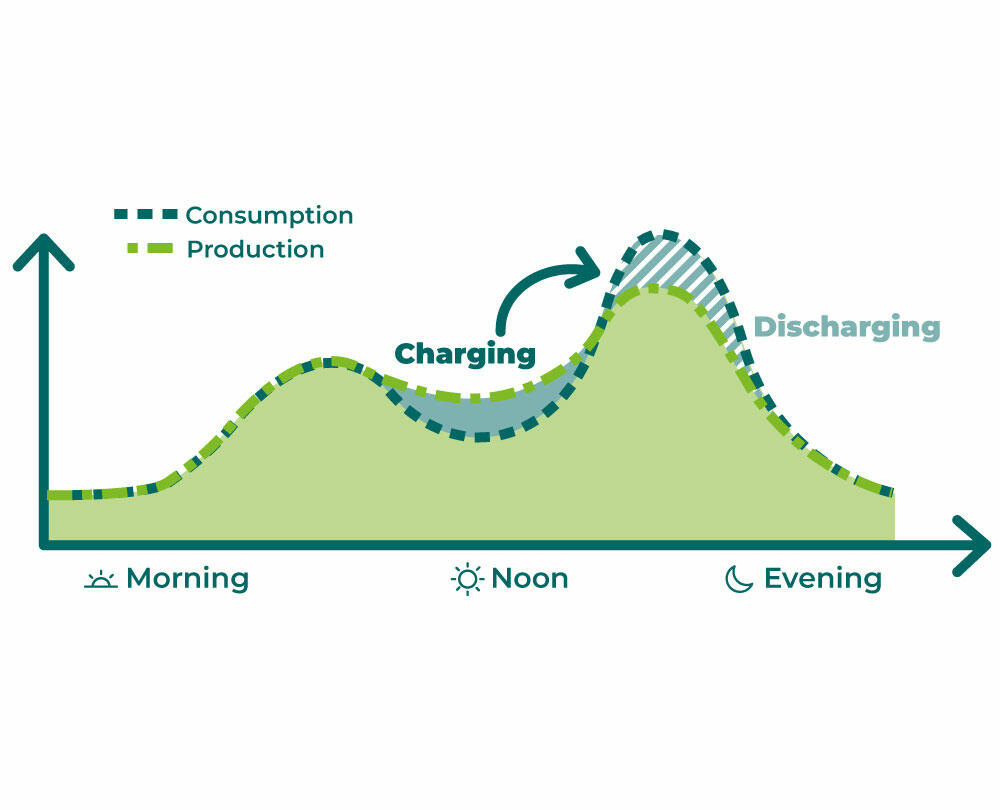
Battery storage is used to absorb excess electricity production (for example, at midday when the sun is shining strongly on PV plants and demand is lower) and to release that stored electricity during demand peaks (for example, in the evening, when the sun is no longer shining and people are cooking). This helps avoid starting up « peaking » thermal power plants, which are highly polluting and produce expensive electricity.
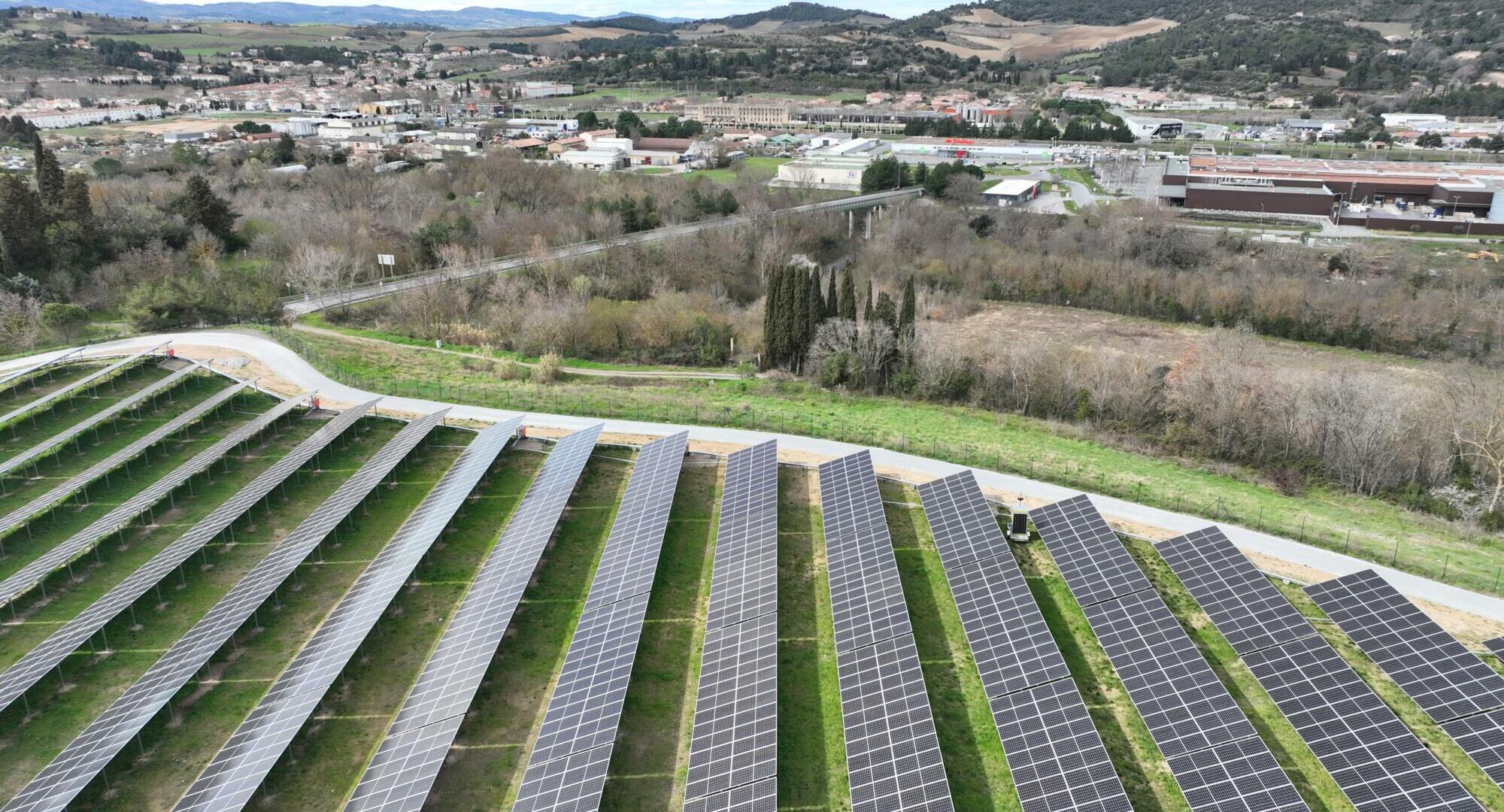
Strengthening local security of supply
By improving local resilience, especially during winter peak demand, batteries help secure electricity supply for communities and make it easier to transition towards a 100% renewable energy mix.
Operation of an energy storage unit coupled with a renewable energy generation site
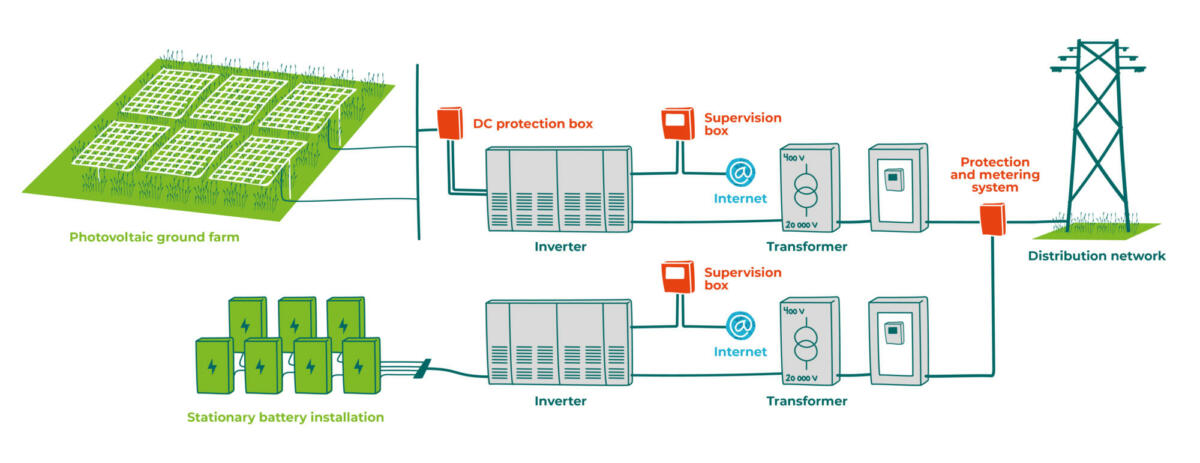
Our expertise: full control over the entire project life cycle
The VALOREM Group develops, builds, and operates battery energy storage plants. Storage has become one of the key assets in our multi-energy projects.

- Local engagement: assessing local needs and consulting stakeholders to tailor the project
- Grid studies and system sizing
- Site selection
- Feasibility studies (environmental, technical, acoustic, fire risk)
- Permitting and administrative authorisations
- Grid connection solution
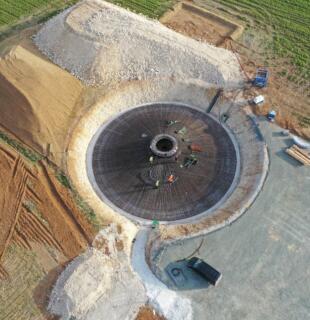
- Installation of battery modules and racks (dedicated container units)
- Full electrical integration
- Testing, commissioning, compliance

- Continuous monitoring
- Safety & risk management
- Performance testing follow-up
- Operational optimization
- Maintenance
Do you have land or a project? Let’s talk.
The identified energy storage needs from the transmission system operator are substantial, and local territories have a key role to play.
We are looking for:
- sites ranging from 0.3 to 2 hectares,
- business parks, industrial or rural areas,
- connected close to the distribution network (medium voltage) or the transmission network (high voltage).